Results 221-230 of 3617
-
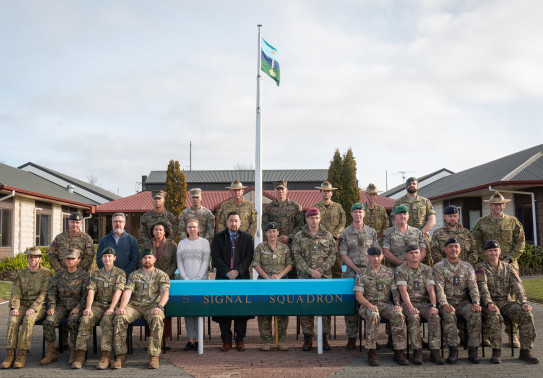
Five Eyes partners workshop Electronic Warfare environment
The 1st Command Support Regiment (1CSR) has hosted a Five Eyes Tactical Land Electronic Warfare Conference at Burnham Military Camp this month.
-
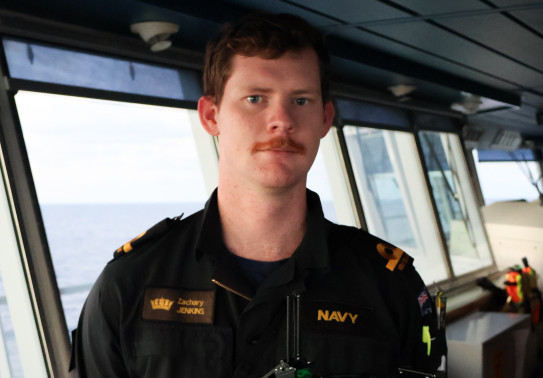
Hawke’s Bay naval officer hones his skills in the Pacific
Sub Lieutenant Zac Jenkins is looking forward to his return to Auckland on board HMNZS Canterbury on Friday, after nearly three months overseas.
-
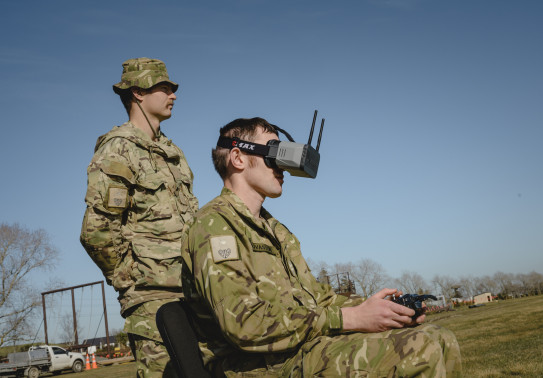
NZ Army embraces race to latest drone technology
The New Zealand Army is using local technology as it explores the rapidly expanding field of drone warfare and tackling FPV (first-person view) technology with the capability for offensive strikes.
-
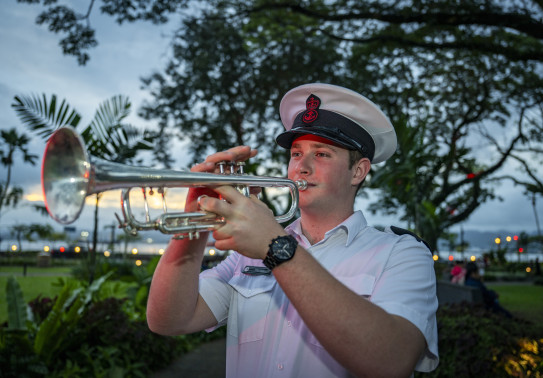
Taupō trumpeter in demand in brand new career with Royal New Zealand Navy Band
Straight out of high school, Ordinary Musician Aiden West’s musical career is off to a flying start with the Royal New Zealand Navy (RNZN) Band.
-
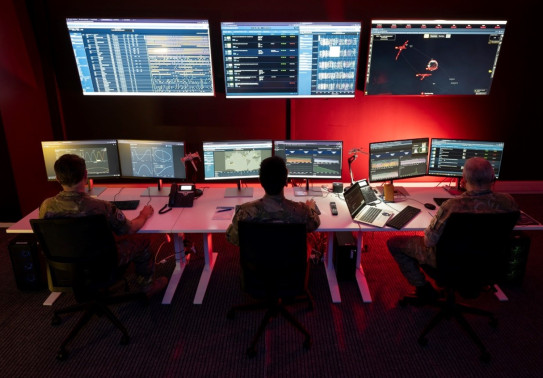
Defence space awareness programme extended
The New Zealand Defence Force (NZDF) is extending its participation in an international satellite-monitoring space awareness programme.
-
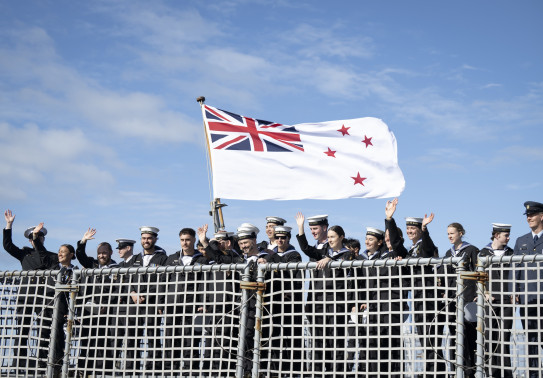
Frigate HMNZS Te Kaha welcomed home following seven-month deployment
After almost seven months at sea conducting operations and exercises across the Middle East and Indo-Pacific, Royal New Zealand Navy (RNZN) frigate HMNZS Te Kaha returned home today to an enthusiastic welcome by hundreds of the crew’s friends and whānau.
-
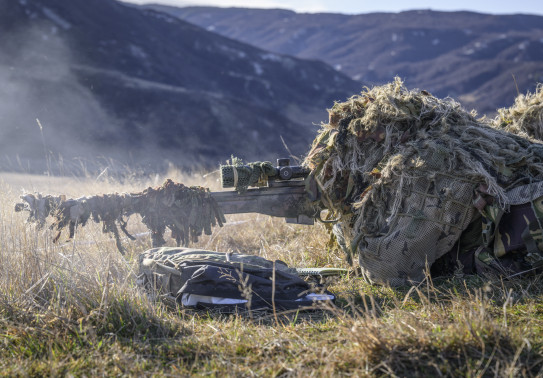
Stealth meets lethality
In the tussock grasses of Waiouru, New Zealand Army snipers, supported by Australian and US Army comrades, recently delivered training to Pacific partners to enhance our collective lethality and interoperability.
-
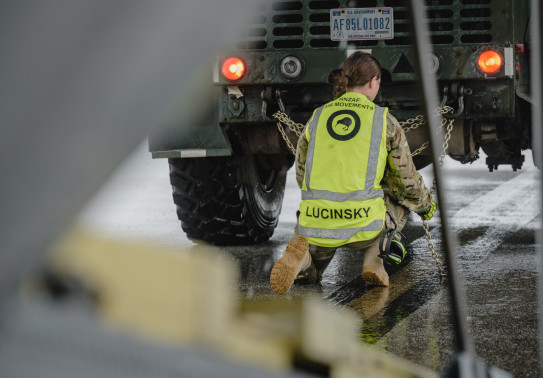
Promotion just one highlight of Guam deployment for Manawatū aviator
In an unusual twist of timing, Royal New Zealand Air Force (RNZAF) logistics specialist Corporal Mikaylah Lucinsky, from Manakau, near Levin, recently deployed to Guam on Exercise Mobility Guardian as a Leading Aircraftman but came home as a Corporal.
-
Government underscores ‘combat capable’ fleet in decision on Defence helicopter and plane
The New Zealand government is investing $2.7 billion towards the MH-60R Seahawk and Airbus A321XLR as preferred options to replace aging fleet assets.
-
C-130J Hercules simulator arrives at RNZAF Base Auckland
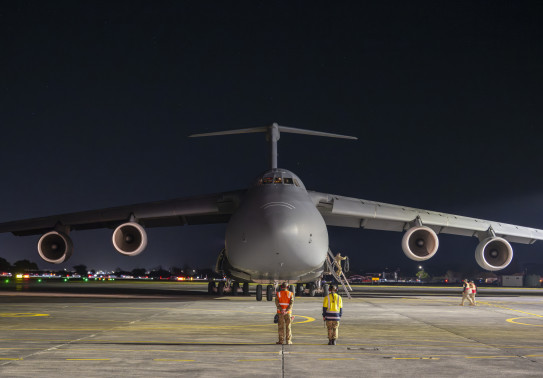
The first components of the C-130J Hercules simulator have arrived at Royal New Zealand Air Force (RNZAF) Base Auckland today, flown in by one of the world’s largest military aircraft.