Results 3431-3440 of 3610
-
DCA
The Deputy Chief of Army is an important role that involves making plans and resources at a strategic level. They focus on developing and delivering strategies, as well as managing future capabilities.
-
DCAF
The Deputy Chief of Air Force is responsible for governance and strategic plans that ensure the RNZAF meets its obligations to the New Zealand Government. The Deputy Chief of Air Force is also responsible for capability advice and assurance, oversight of recruitment and training, health and safety and overseeing Technical Airworthiness, Air Force Museum and the International Commitments Programme.
-
MCC
The Maritime Component Commander is responsible to the Chief of Navy for the command and readiness of the Fleet and the specialist teams that deliver on the Navy’s mission, outputs and outcomes, and responsible to the Commander Joint Forces New Zealand for the command and conduct of maritime operations and provision of the naval contribution to Defence Force outputs.
-
LCC
Land Component Commander (LCC) advises Commander Joint Forces New Zealand on the use of land forces and commands the land forces. This includes sending soldiers to overseas operations.
-
ACC
The Air Component Commander (ACC) has a crucial role in the Air Force, reporting directly to the Chief of Air Force. Their main responsibilities include commanding, training, and overseeing the Air Force Elements.
-
WON
The Warrant Officer of the Navy is the most senior Warrant Officer in the Royal New Zealand Navy. They report to the Chief of Navy and provide advice to Navy senior leadership about issues affecting sailors.
-
SMA
The Sergeant Major of the New Zealand Army is the most senior soldier. He advises the Chief of Army on training, management, and wellbeing of our soldiers.
-
WOAF
The Warrant Officer of the Air Force (WOAF) is the most senior airman reporting to the Chief of Air Force (CAF). They advice on morale, health, and well-being for RNZAF personnel.
-
Protocols for Military Personnel, Civilians, and Families
The wearing of medals is governed by a number of rules, which vary depending on who’s wearing them, their dress and the type of event. This short guide is designed to demystify medal protocol, and to help New Zealanders wear them appropriately.
-
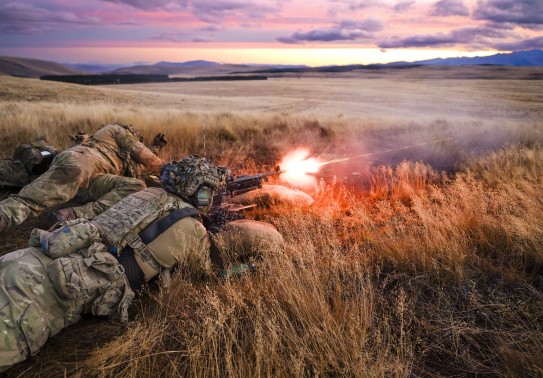
Soldiers from New Zealand Army and Royal Gurkha Rifles sharpen combat skills under the Southern Alps
Soldiers from the New Zealand Army’s 2nd/1st Battalion of the Royal New Zealand Infantry Regiment (2/1 RNZIR) recently trained alongside visiting soldiers from the 2nd Battalion of the Royal Gurkha Rifles (RGR) during an exercise in the South Island.