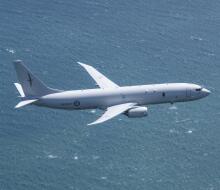
Every operational squadron flying as Royal New Zealand Air Force operations continue to pace
14 October 2026
Unfortunately you are viewing this website on an outdated browser which does not support the necessary features for us to provide an adequate experience. Please switch to a modern browser such as latest version of Google Chrome, Mozilla Firefox, Apple Safari or Microsoft Edge.
Ngā mihi nui
The New Zealand Defence Force (NZDF) has proven it can be a key player in major military operations after successfully taking part in one of the Royal Australian Air Force’s (RAAF) largest-ever multination exercises in the Northern Territory.
Exercise Pitch Black 2026 is the RAAF’s premier multi-nation air combat exercise. It is designed to hone air combat skills, strengthen interoperability and cultivate international relationships in a high-tempo training environment.
More than 3,000 personnel from 21 nations and more than 100 aircraft took part over three weeks, with activities winding up last week.
More than 50 NZDF personnel, from all three Services, contributed their skills and leadership to the combat support for the exercise, including security forces, aviation refuellers, air load teams, catering, ground support equipment maintainers, intelligence, medics, physical training instructors, logistics and photographers.
A machine tool setter and operator deployed for the first time. They worked on the aircraft arrest systems which aided jets to land safely, as well as designing a bespoke tool to assist German Air Force maintainers.
The RNZAF air load teams contributed to the receipt of 1,991 passengers, 120 aircraft and 320 pallets prior to the exercise starting and processed over 450,000 kilograms of air cargo throughout. Aviation fuel specialists assisted in pumping over 7.1 million litres of fuel. The Navy and Army chefs aided in preparing over 166,440 meals.
In addition to Australia, the NZDF personnel worked directly alongside militaries from Canada, United Kingdom, Fiji, United States and Papua New Guinea.
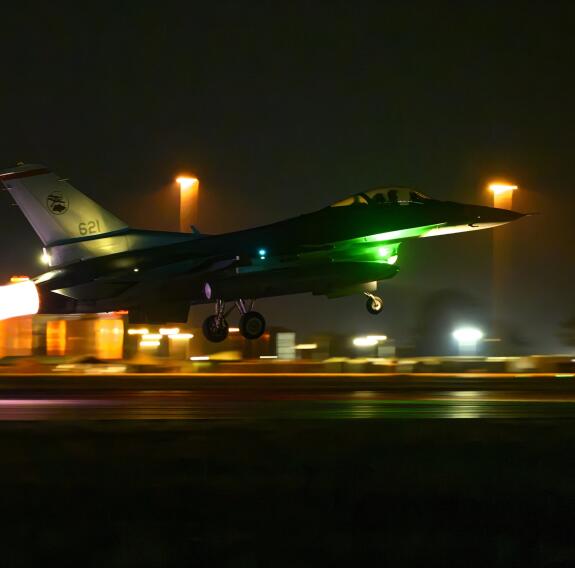
A Republic of Singapore Air Force F-16C takes off at RAAF Base Darwin for night flying during Exercise Pitch Black 2026
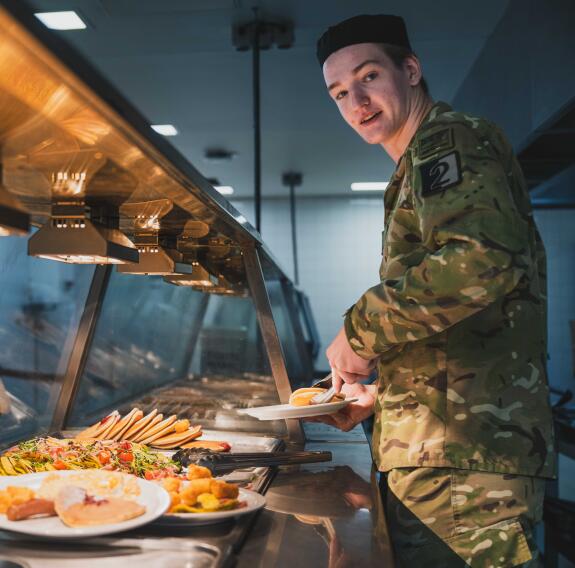
NZDF chef Private Liam Mischefski serves breakfast at the mess during Pitch Black 2026
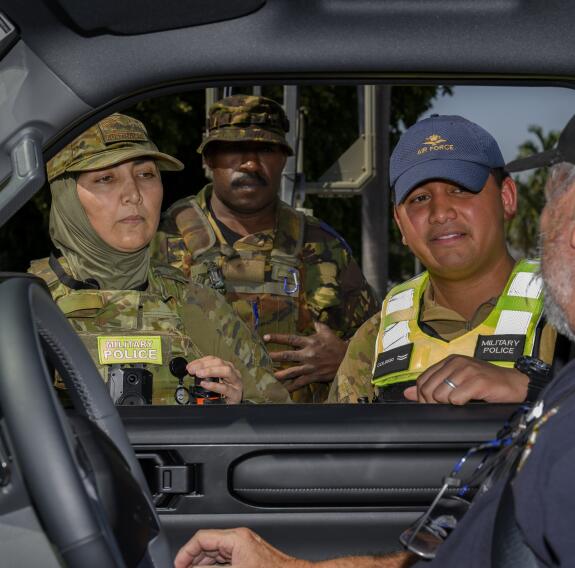
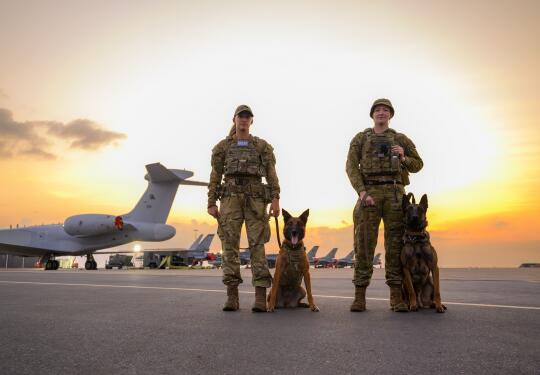
Military Police personnel, from left, Lance Corporal Hassiba Sahar (Australian Army), Lance Corporal Wilfred Pomun (PNG Defence Force) and Corporal Cullum Collier (RNZAF) conduct identification checks at RAAF Base Darwin
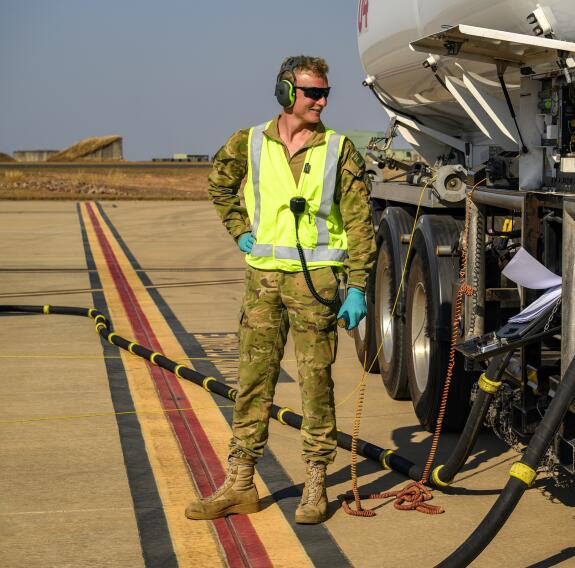
RAAF Aviation Fuel Specialist, Leading Aviator Nick Dawson refills Indian Air Force Rafale multi-role fighter jets
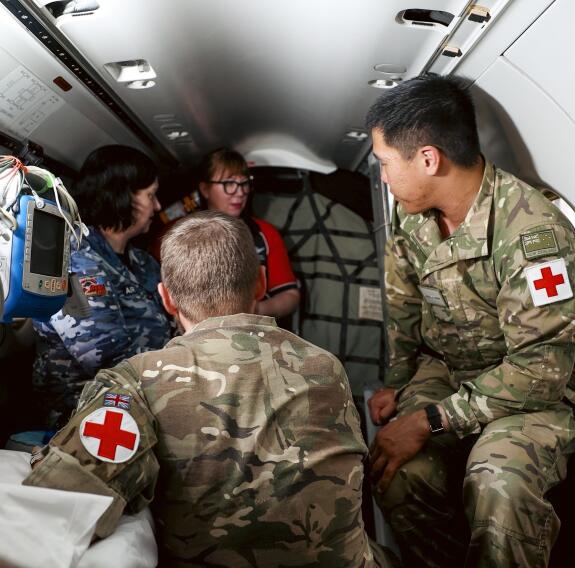
RNZAF Medic, Leading Aviator Tan Lin conducting familiarisation of the Royal Flying Doctors Service aircraft
While the exercise is primarily about air combat, detachment commander, Squadron Leader Dan Hynds, says his team performed to a very high standard and five personnel were recognised with RAAF commendations.
“Our enabler trades are a critical part of getting those aircraft in the air to conduct their tasks, whilst keeping personnel equipped, fed, and safe,” he said.
Pitch Black involved daily sorties focused on combat scenarios with jets and supporting aircraft operating in the vast airspace around Darwin by day and by night.
Squadron Leader Hynds attended the exercise in 2010 when just four nations took part.
“It's fantastic to see how it's grown with the range of countries and cultures represented here, providing our personnel with a fantastic opportunity to develop relationships while learning from each other.”
Deputy Chief of Air Force, Air Commodore Peter Gibson, visited the exercise and acknowledged its scope and importance for improving the NZDF’s abilities.
“Pitch Black is a key training opportunity that allows us to prove and enhance our interoperability with our ally and other close partners in a realistic combat scenario.
“We have been supporting this exercise for many years and each time it provides a new generation of aviators with the chance to show their skill and professionalism alongside our friends from like-minded nations.”
RAAF exercise commander, Air Commodore Matthew McCormack, said they were extremely grateful to have New Zealand bring 10 ground support trades.
“One of the really good outcomes is our ability to integrate support personnel on the ground.”
14 October 2026

12 August 2026
10 March 2026
07 February 2026
08 December 2025
10 October 2026
01 October 2026
17 September 2026
07 August 2026