NZDF response efforts in Te Araroa and Hicks Bay have provided critical support
The New Zealand Defence Force (NZDF) has this week been busy working alongside civil defence and emergency response agencies in the Gisborne Tairāwhiti region.
04 February, 2026
Completing numerous tasks from clearing silt and debris to re-supply of essential stores to communities following severe weather in the region.
More than 150 NZDF personnel have been based in Hicks Bay and Te Araroa supporting local emergency response efforts following widespread flooding, slips, and damage to homes and infrastructure.
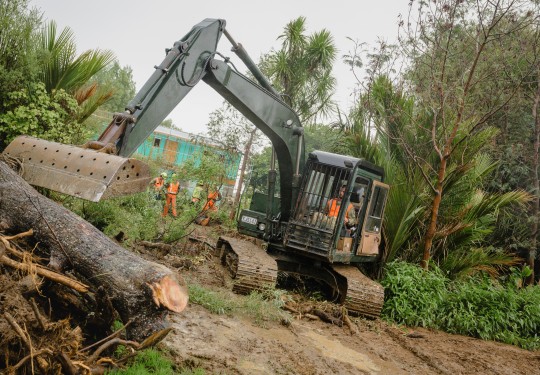
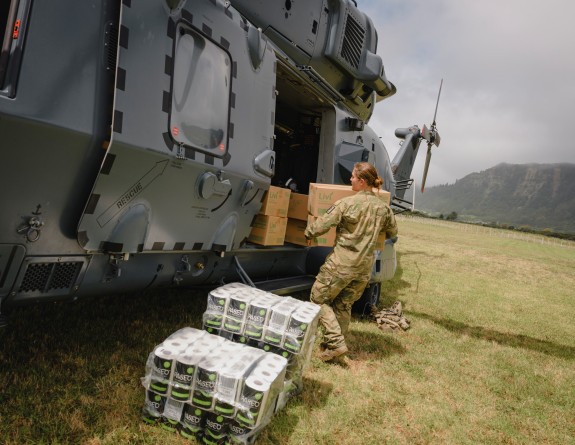
Since deploying into those communities at the end of last week, NZDF personnel have cleared 2000 cubic metres of silt and debris from houses, roads, fields and drainage culverts. They have felled hazardous trees, cleared debris from streams and stormwater drain culverts and delivered essential items such as water, food, fuel, tools and other stores by land and air.
Royal New Zealand Air Force have utilised the
Our Royal New Zealand Air Force has eight NH90 helicopters in its fleet, which are operated by No. 3 Squadron and have been in full service since 2015. They are a twin engine medium utility helicopter featuring a fly-by-wire flight control system, full ice protection system, and fibre-glass composite structure.
To support civil defence and local communities around Te Araroa, Tairāwhiti, some 55 NZDF personnel from the Humanitarian Aid and Disaster Relief Task Unit have been delivering engineering, manual labour, along with logistical support from 65 personnel in the logistics chain.
Te Araroa is north of Gisborne, where earlier in the response surrounding routes were restricted, making localised support critical at the time.
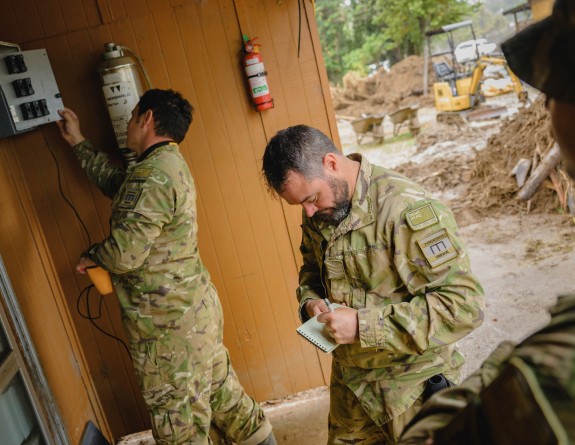
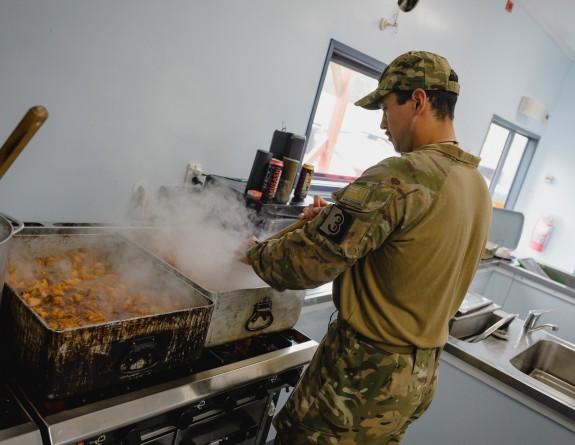
NZDF have worked closely with local response teams and councils to prioritise overall community needs, ensuring support is delivered where it’s needed.
Major Andy Blackburn, the officer commanding the Te Araroa Task Unit, said the deployment followed an extreme rainfall event where approximately 300 millimetres of rain fell in just 12 hours, triggering multiple slips along the southern slopes around the township and through housing. Significant volumes of silt and debris were carried through residential areas, impacting access to homes and essential drainage systems.
He said the focus had been on immediate risk reduction and improving resilience ahead of any further weather events.
“Large amounts of silt and debris moved through the township and housing areas, causing significant problems for the local community. Our priority has been clearing culverts, ditches, and drainage trenches to reduce the risk of future flooding and help restore access to affected properties.”
NZDF personnel have been using heavy machinery, and provided manual labour to clear culverts, ditches, streams, and access ways.
“Soldiers love getting out in the community and doing something that's meaningful, helping build capacity and resilience. This is what we're trained to do, getting out there, helping the locals, being on the tools.”
At the Te Araroa Motor Camp, a lot of fill from the main slip and water had come off the hills severely impacting the area. NZDF personnel have been undertaking hazardous tree felling and debris clearance, enabling machinery to access the site and support the re-diversion of a waterway to help prevent further flooding and restore the area.
Major Blackburn said the response had highlighted the strength and resilience of the local community.
“There was an overwhelming sense of relief from locals when we arrived. Given what they’ve been through, the way the community has banded together and the aroha they’ve shown us – including welcoming us onto the marae – has been incredibly humbling.”
He acknowledged that one of the challenges had been managing competing needs across the community.
“Everybody has been affected in different ways. We work closely with local response teams and councils to prioritise tasks based on overall community needs, ensuring support is delivered where it’s needed most.”
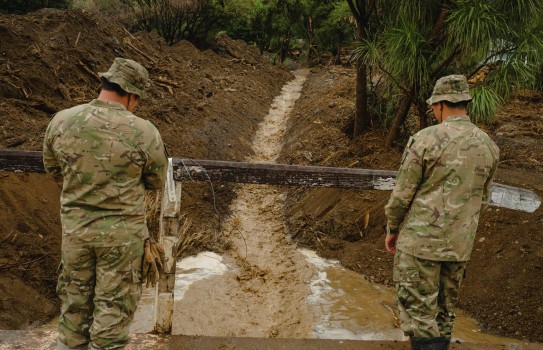
NZDF have worked closely with local response teams and councils to prioritise overall community needs, ensuring support is delivered where it’s needed.
While the NZDF may be requested by civil defence and emergency agencies to support immediate responses, the longer term recovery from weather events rests with other government agencies.
Major Blackburn said deployments like this one also provide valuable experience for NZDF personnel, particularly engineers, who train regularly for this type of emergency response.
“These events allow us to test our ability to support communities, build capacity, and enhance resilience,” Major Blackburn said.
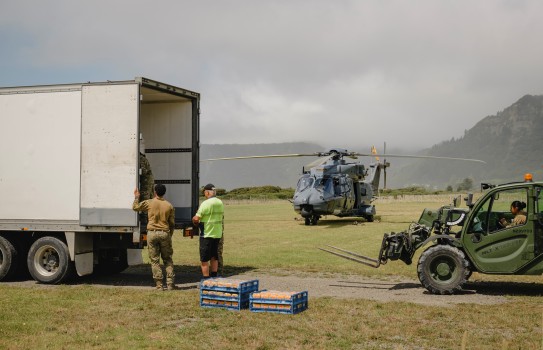
NZDF have worked closely with local response teams and councils to prioritise overall community needs, ensuring support is delivered where it’s needed.