
NZ Army conducting stability and security training in Whanganui
12 August 2026
Unfortunately you are viewing this website on an outdated browser which does not support the necessary features for us to provide an adequate experience. Please switch to a modern browser such as latest version of Google Chrome, Mozilla Firefox, Apple Safari or Microsoft Edge.
Ngā mihi nui
Vessels carrying out potentially illegal activities have been the target of maritime surveillance patrols conducted by the Royal New Zealand Air Force (RNZAF) in Fiji, Niue and Cook Islands’ Exclusive Economic Zones (EEZ) during May.
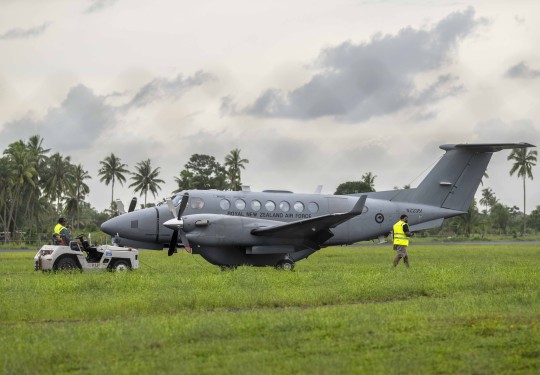
In operations supporting both the Pacific Islands Forum Fisheries Agency and the New Zealand Customs-led Operation Kiwa response to deter and disrupt transnational, serious and organised crime in the Pacific, a MC-12K King Air and P-8A Poseidon undertook patrols and photographed vessels of interest for follow-up by authorities.
Providing oversight of the operation were two New Zealand Defence Force analysts and two New Zealand Customs officers from the Maritime Essential Services Centre in Fiji.
Air Component Commander, Air Commodore Andy Scott, says the operation was important for the economic prosperity and regional security and stability of the Pacific.
“Pacific security is the shared responsibility of Pacific Islands Forum members. This is the third time we have deployed the MC-12K to the Pacific in the past 12 months, because threats to regional security and stability affect all of us,” he said.
“Through these operations, we demonstrate not only our capability, but also our enduring commitment to working alongside Pacific nations to safeguard their fisheries, uphold international rules, and support a secure and resilient region.”
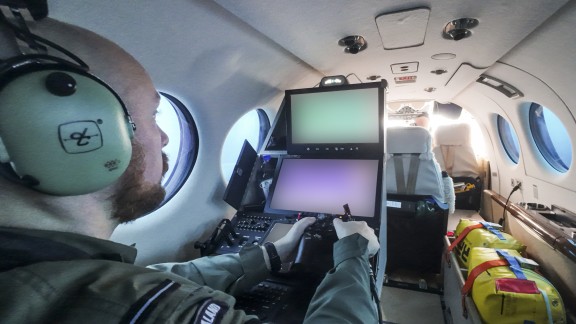
MC-12K King Air in the Pacific | Royal New Zealand Air Force
New Zealand Customs Service Group Manager Maritime, Paul Campbell, says strong partnerships across the Pacific are fundamental to strengthening capability, lifting maritime security and combating transnational, serious and organised crime across the region.
“Sharing information and intelligence to disrupt criminals seeking to use the maritime domain are fundamental elements of Operation Kiwa,” he said.
“Through this work, we’re extending our reach, deepening our understanding of regional risks, and enabling faster, more targeted action to protect New Zealand and the Pacific.
“These connected and coordinated efforts benefit us all and are one of the many ways we work together to identify, deter, and disrupt threats across a vast and complex maritime environment.”
12 August 2026
10 March 2026
07 February 2026
08 December 2025

01 October 2026
17 September 2026
07 August 2026
25 July 2025
09 June 2026