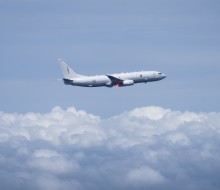
Royal New Zealand Air Force joins anti-submarine warfare exercise in Guam
10 March 2026
Unfortunately you are viewing this website on an outdated browser which does not support the necessary features for us to provide an adequate experience. Please switch to a modern browser such as latest version of Google Chrome, Mozilla Firefox, Apple Safari or Microsoft Edge.
Ngā mihi nui
Responding to gunshot wounds, blast injuries or other military medical emergencies, and ensuring the best medical outcomes and ultimately, personnel survival is the primary mission for New Zealand Defence Force (NZDF) medics and health personnel.
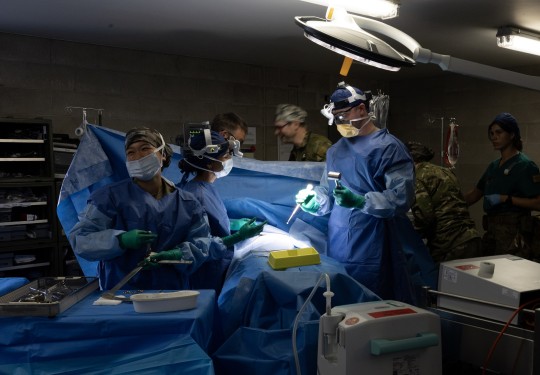
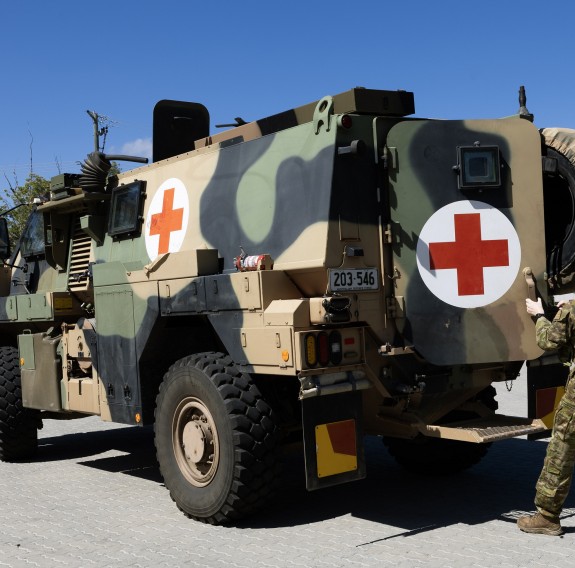
A recent exercise across the Tasman saw NZDF personnel test those skills, as well as their ability to effectively integrate with medical personnel from the Australian Defence Force (ADF) and the United States Pacific Air Forces.
Twenty-five Kiwi personnel, made up of members of the NZDF’s Deployable Health Organisation (DHO) and 1st Command Support Regiment (1CSR) took part in Exercise Viper Walk in Brisbane, which is the ADF’s annual premier health readiness activity focused on validating deployed medical capabilities in high-intensity combat scenarios.
DHO Commanding Officer, Lieutenant Colonel Glen Whitton, said the activity is essential to push and challenge personnel in as realistic scenarios as possible, while also building vital interoperability skills with our ally and partners.
“An integrated workforce between ADF and NZDF health is key to success and fundamental to saving lives on the battlefield,” Lieutenant Colonel Whitton said.
“We (NZDF) would also not be able to generate the level of health capabilities we need without our Reserve Force members training as part of this exercise.”
He said the exercise trained health professionals across a variety of Role 1 and Role 2 facilities, and enhanced interoperability across both the NZDF and ADF by providing realistic simulation casualties and complex trauma with life-like traumatic injuries.
“The NZDF Role 1 Medical Detachment provides the immediate treatment, life-saving care and stabilisation of casualties, before onforwarding evacuation to higher care provided by the Role 2 capabilities. In this exercise there were three Role 2 facilities, all providing surgical interventions at varying degrees, from damage control resuscitation to damage control surgery further forward on the battlefield, to more specialised surgical interventions and specialised care held further back from the front line.”
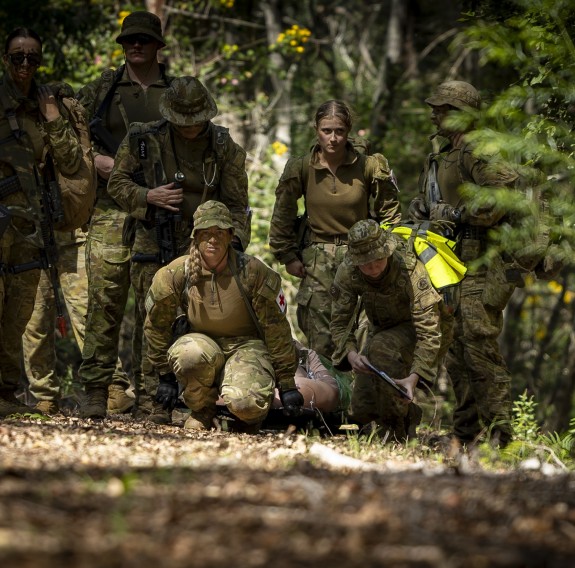
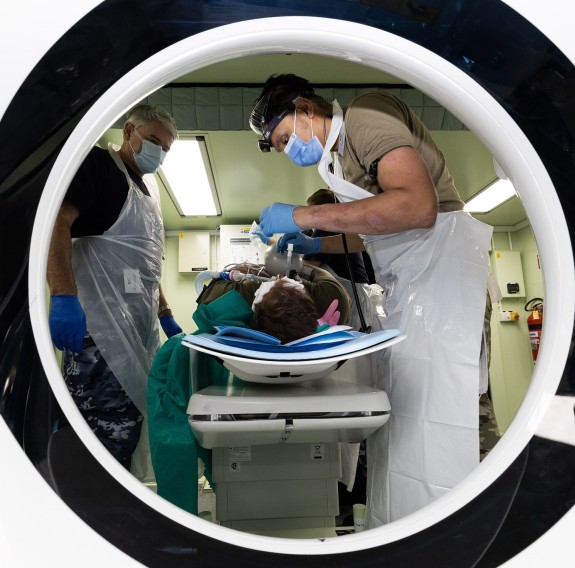
The ADF’s Exercise Officer in Command, Squadron Leader Koryn Roberts said the high-pressure scenarios brought teams together rapidly.
“As a blue (friendly) commander working within a large Army force, you see cultural differences – but the biggest lesson is that they don’t actually matter. With good communication, we integrated quickly and got the mission done.”
That sentiment was shared by NZ Army nurse, Lieutenant Isaac Compton, who said any small differences in approaches and doctrine didn’t prove to be a hurdle in fast, complex and dynamic scenarios.
“Training scenarios like these prove we can work together, adjust to different approaches, and still deliver the same results.”
10 March 2026
07 February 2026
08 December 2025
25 July 2025
31 March 2026
26 February 2026
11 December 2025
13 November 2025
21 October 2025