HMS Neptune tragedy
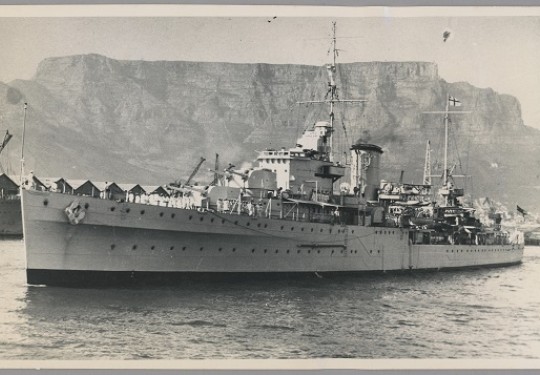
New Zealand’s worst naval tragedy occurred in 1941 when HMS Neptune struck mines off the coast of Libya and sunk with the loss of all but one of her 764 crew. 150 New Zealand sailors went down with the ship.
19 December, 2025
Today marks the 84th anniversary of the loss of Leander-class light cruiser HMS Neptune.
She was leading Force K, a raiding squadron with an escort of six destroyers, that had sailed from Malta to intercept an Italian supply convoy.
The convoy was carrying 45 Panzer tanks, troops, fuel and supplies bound for Tripoli to support Field Marshal Erwin Rommel’s Afrika Korps who were engaged in pitched battles around Tobruk and Sidi Rezagh airfield with the British Army and the 2nd New Zealand Division.
At 0100 on 19 December 1941, Neptune steamed into an uncharted deep-water minefield 12 miles offshore at 24 knots and triggered a mine. As she reversed to get clear, the ship exploded two more mines that wrecked her propellers and steering gear.
Neptune was then stopped, disabled and down by the stern. A destroyer, HMS Kandahar was preparing to come to the aid of the stricken Neptune but also struck a mine and subsequently sunk with the loss of 77 lives.
At 0400, Neptune drifted into and detonated a fourth mine. The ship quickly rolled over and sank.
Only 16 men survived the sinking including the Captain and one New Zealand rating, Able Seaman Joseph Quinn of Wellington. However, all but one succumbed to thirst and exhaustion over the next five days.
The sole survivor, Able Seaman Norman Walton, had spent three days in the water and two on a raft before he was rescued by an Italian torpedo boat on Christmas Eve and interned in a POW camp until he was released in 1943. He went on to serve in a frigate on Russian convoys.
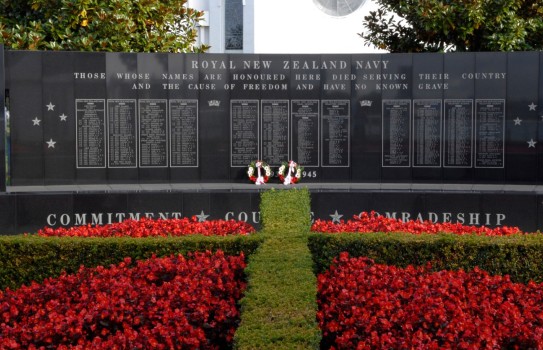
The names of all 150 New Zealand sailors lost on HMS Neptune, are recorded on the Memorial Wall inside the Devonport Naval Base and on cenotaphs and war memorials throughout New Zealand.
The loss of Neptune and virtual destruction of K Force had a devastating effect on the Libyan campaign. Rommel was able to get the tanks and stores he needed, and within a matter of weeks had reversed all the gains made by the Allies and forced them back to Tobruk which he captured six months later.
The wreck of HMS Neptune was found off the coast of Libya in 2016 by HMS Enterprise, a Royal Navy hydrographic survey ship. Neptune, and the remains of her 763 ship’s company, lie in deep water on her port side 160m down. The loss of 40 metres of her stern would indicate that the last mine broke the hull structure just forward of X Gun turret.
The precise coordinates have not been given in order to protect and respect the site as a maritime war grave.