Weapon skills and a mass casualties training scenario tests logistics personnel
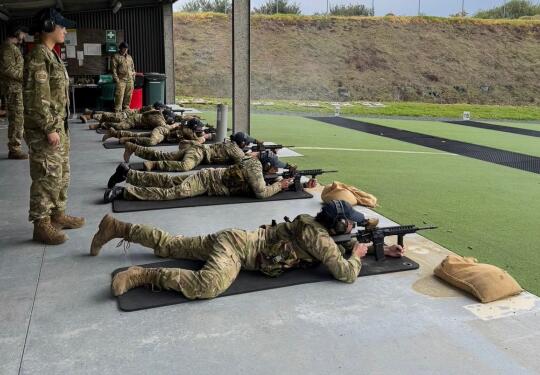
Royal New Zealand Air Force (RNZAF) logistics personnel were recently thrown into a battle handling exercise that put to the test their first aid and shooting skills.
14 July, 2026
The demanding exercise scenarios for personnel from RNZAF Bases Auckland and Woodbourne’s Materiel Support Wing (MSW), included a complex incursion and mass casualty event. It came with time pressures, and simulated life and death decision-making, designed to strengthen logistics warfighting skills.
The activity was set in a medium-threat environment, in a fictional coalition air base in South Torbia. Teams of six were rostered onto 2.5-hour shifts as the Base Quick Reaction Force.
During the event a simulated indirect-fire attack on a section of the base was followed up with a direct-fire attack by an irregular enemy, the Torbian Communist Army (TCA).
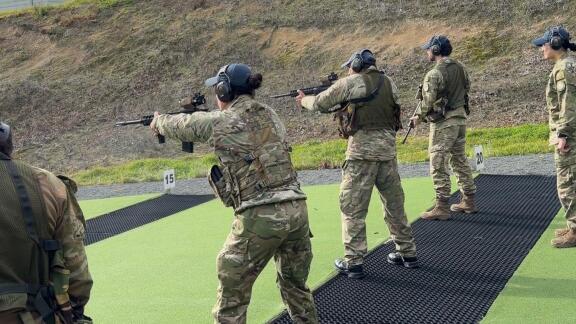
Participants were required to respond to the attack and undertook a live-fire close quarter battle shoot to simulate repelling the TCA. A munition detonation then triggered a response to a mass casualty scenario, which required triaging and hard decisions, MSW executive officer Squadron Leader Win Walker said.
“The day-long exercise was aimed at developing some testing scenarios to assess the effectiveness of our 24-month training programme and was focussed on section level leadership, shooting skills and basic first aid, overlaid with a stressful environment.
“Realism was added through the use of external actors, burning hair and animal products, and special effects make-up,” he said.
“The biggest challenges came with the medical incident where the scenario exceeded the team’s resources, forcing them to triage patients and ensure appropriate application of resources to where first aid would be most effective.”
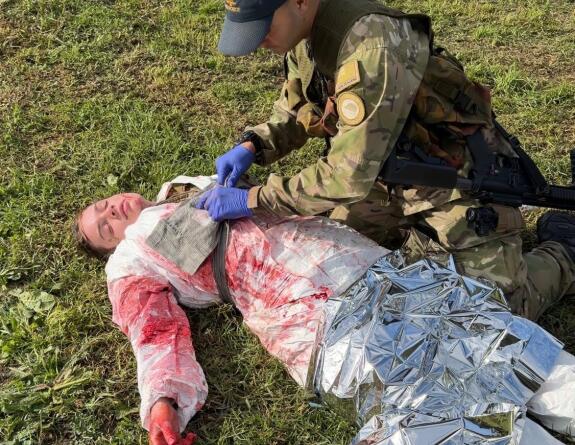
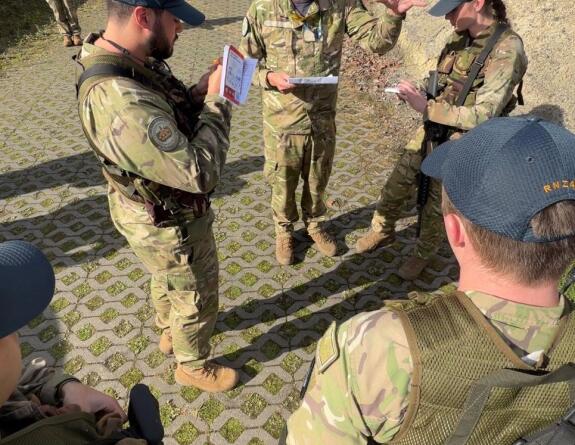
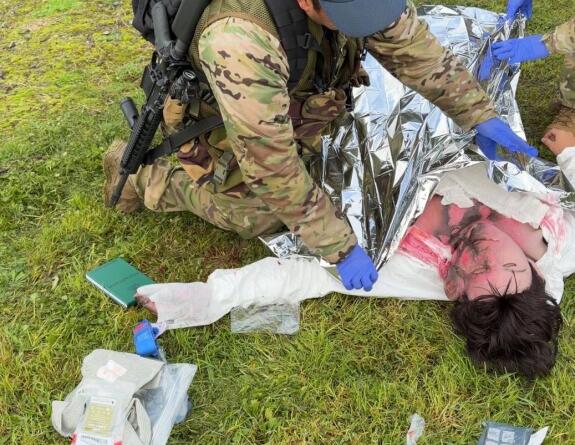
Logistics personnel were thrown into a battle handling exercise that put to the test their first aid skills.
The exercise was a success and the team identified areas performed well and areas where more focus was needed on training to improve standards, Squadron Leader Walker said.
“We are now able to create a training programme where future battle handling exercises can pile on more pressure and have more challenging scenarios, and just overall raise everybody's proficiency and enhance deployable skills.”
Exercise participant Corporal Leonie Kena said it provided good insight into MSW’s overall confidence and competence in core military skills, particularly first-aid response and weapons handling.
“The teams were challenged in a way that encouraged us to reflect on how our skills have improved since an earlier training day, while also highlighting areas requiring further development.”
The exercise was challenging, but “highly enjoyable” Corporal Kena said.
“We had the opportunity to work alongside peers from across the trade in an environment completely different from our day-to-day roles. This helped build camaraderie, trust, and teamwork among personnel who may be required to deploy together in the future. The exercise reinforced the importance of maintaining a strong foundation in core military skills and provided valuable insight into our individual readiness, ensuring we can effectively contribute to a team in an operational environment.”
The main challenge arose during the mass-casualty incident, which was a significant change from typical workplace first-aid situations, she said.
“This was particularly surprising to me, as I had expected a scenario similar to the one assessed during our medical course, involving one or two patients with either severe or minor injuries.
“The scenario tested our ability to rapidly assess multiple casualties under pressure, prioritise treatment through triage, allocate limited resources appropriately, and provide effective medical care in a dynamic and stressful environment.
“It highlighted the complexity of managing large-scale incidents and the importance of remaining calm and methodical when making critical decisions.”